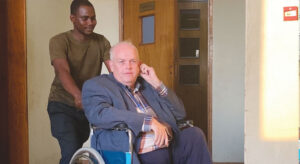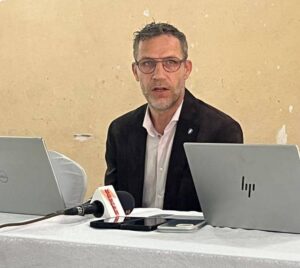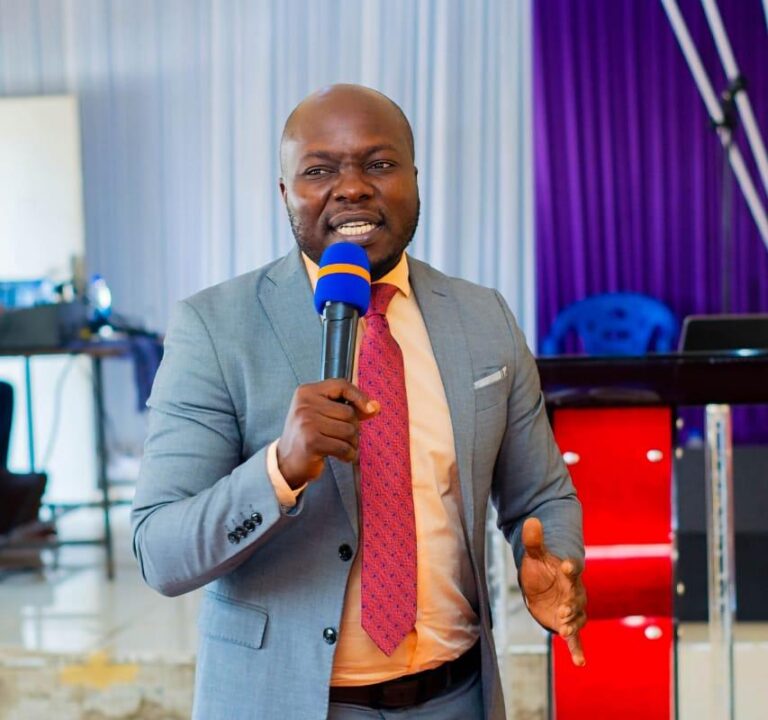


The Malawi Council for Disability Affairs (MACODA) has called for stronger enforcement of accessibility standards in public buildings, saying persons with disabilities continue to face barriers when accessing essential services.
MACODA Public Relations Officer Harriet Kachimanga says, as of October this year, the council had conducted 21 physical accessibility audits across various public and private institutions to identify obstacles that prevent persons with disabilities from accessing and using facilities independently.
Kachimanga says the findings have revealed varying levels of accessibility, with most financial institutions having accessible banking halls, while several law enforcement and judicial facilities require significant infrastructure improvements.
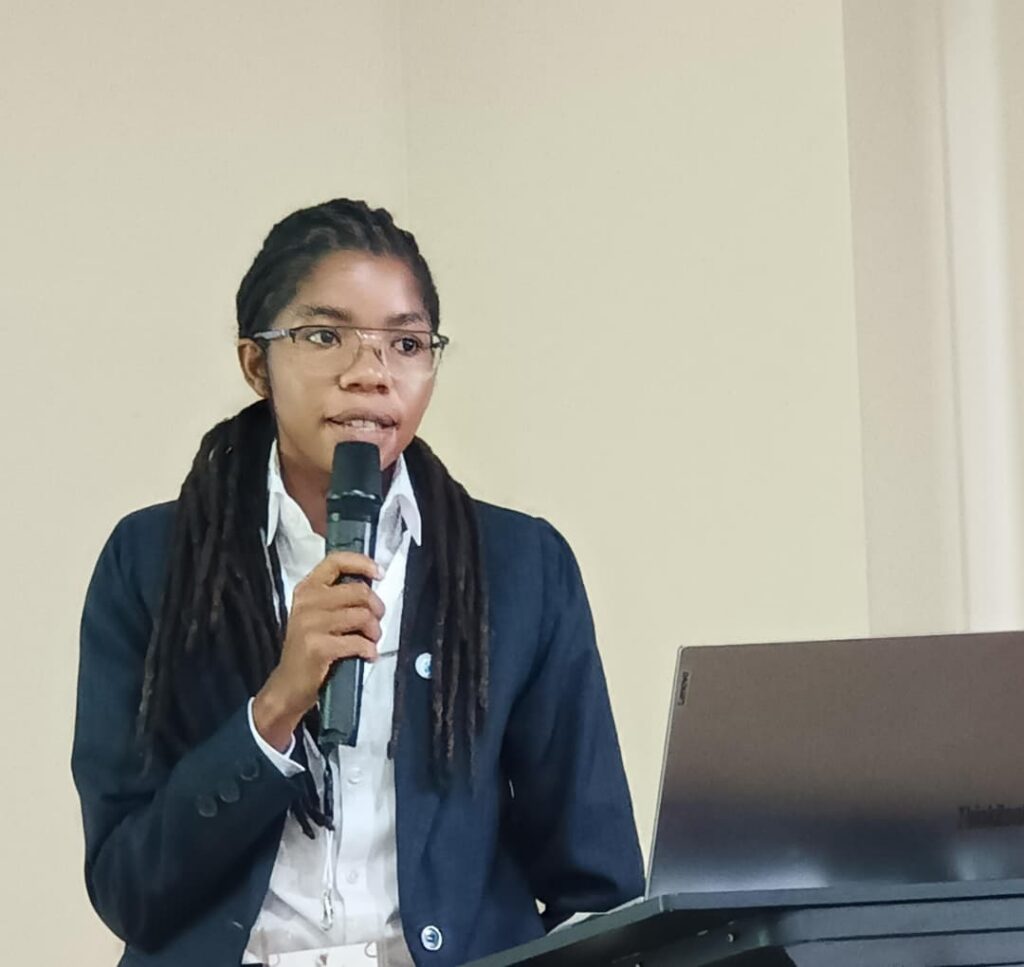
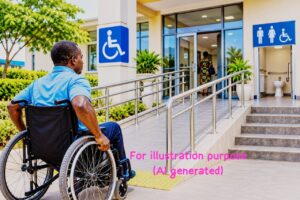
She says some of the challenges identified include inadequate ramps, inaccessible toilets, lack of tactile signage for people with visual impairments, slippery surfaces and doorways and pathways that do not adequately accommodate persons with disabilities.
Kachimanga says some police stations have ramps that are too narrow, while underground cells and offices on upper floors remain inaccessible to people with mobility challenges because they can only be reached using stairs.
At some judicial facilities, witness stands are inaccessible to wheelchair users, while restrooms lack grab bars and sufficient space to accommodate persons with disabilities.
“Accessibility of public buildings to persons with disabilities has seen some improvement, as reflected in the accessibility audits we have conducted. However, much remains to be done to ensure that all public buildings are fully accessible and inclusive,” Kachimanga says.
She says while newer buildings are increasingly incorporating universal design principles, many older structures remain inaccessible or only partially accessible.
Responding to the concerns, Judiciary spokesperson Ruth Mputeni has acknowledged that most court buildings were not originally designed with adequate accessibility provisions for persons with disabilities.
Mputeni says some court buildings are currently dilapidated or in poor condition, while in other areas the Judiciary operates from rented premises, making it difficult to provide suitable facilities.
However, she says all infrastructure constructed in recent years, currently under construction or planned by the Judiciary incorporates accessibility provisions, including modern elevators and ramps.
Mputeni says the Judiciary is also rehabilitating existing court buildings to improve accessibility, depending on the availability of funds.
She explains that limited budgetary resources remain a major challenge in addressing the infrastructure gaps, as renovations and new construction projects depend on funding from government and development partners.
The Judiciary is also working with district councils to have court construction and rehabilitation projects included in budgets under the Constituency Development Fund (CDF).
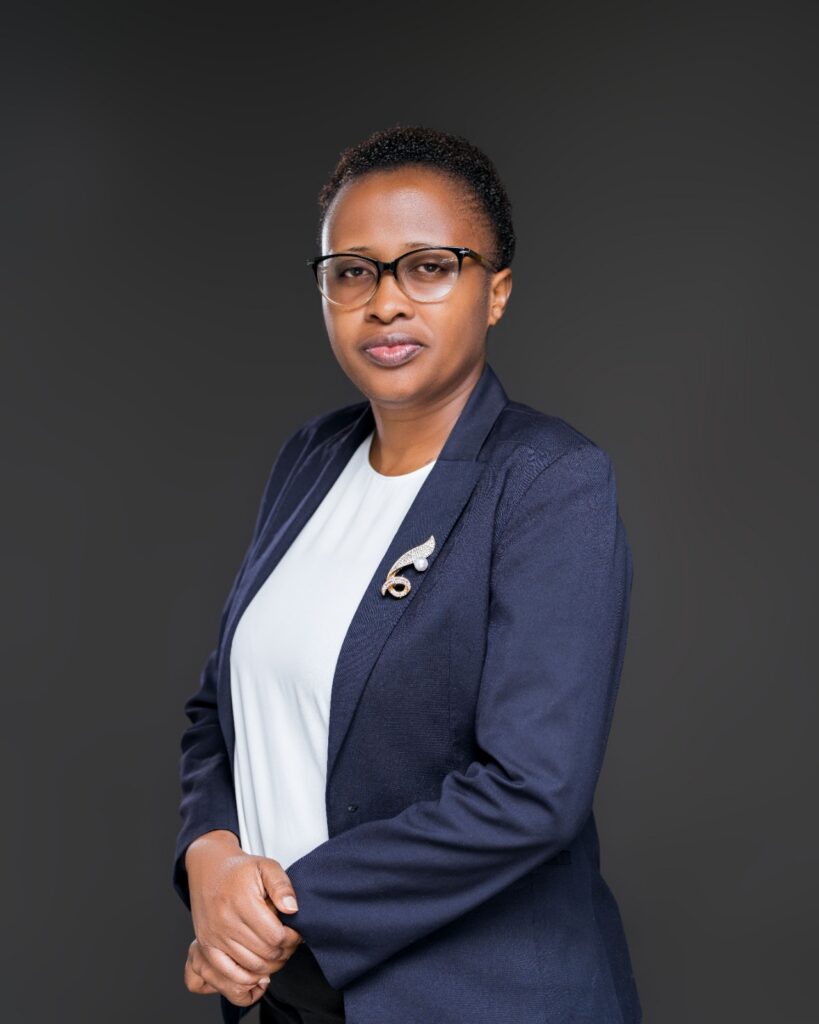
Mputeni says the institution will continue engaging government and development partners to secure resources for renovations and improvements that cater for persons with disabilities.
Meanwhile, Kachimanga has cited Section 12 (1) of the Persons with Disabilities Act of 2024, which requires all public buildings and facilities to be designed, constructed and maintained in a manner that makes them accessible and usable by persons with disabilities.
She says MACODA wants stronger commitment from stakeholders, supported by effective monitoring and accountability mechanisms, to ensure compliance with the law.
Kachimanga has therefore urged authorities and owners of public buildings to prioritise compliance before the expiry of the five-year grace period provided for under the Act.
MACODA says improving accessibility in public buildings is essential to promoting inclusion, dignity and the participation of persons with disabilities in society.