




The National Planning Commission (NPC) has challenged Mangochi District Council to develop functional coordination structures to help address food insecurity in the district.
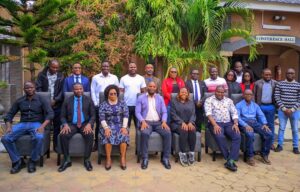
The call was made on Friday, August 14, 2026, during a Food System Transformation orientation meeting with district planners from various sectors to reflect on the food situation and consolidate challenges affecting the food system, with the aim of developing sustainable mechanisms to achieve food security.
NPC Acting Director of Knowledge and Learning, responsible for Research, Capacity Building, and Monitoring and Evaluation, Andrew Jamali, said achieving food security requires well-informed and equipped development planners at the district level who can integrate food system interventions into local development programmes to maximise food production and achieve self-sufficiency.
“Mangochi District Council planners and other stakeholders should come up with a system that addresses problems across all aspects of the food system, from production to utilisation,” said Jamali.
He further commended the bottom-up decentralised approach to developing local development programmes, saying it provides a true reflection of the challenges communities are facing.
Mangochi District Council Director of Development and Planning, Ganizani Nkhwazi, acknowledged the malnutrition and food insecurity challenges facing the district. He said, following the NPC engagement, the council would engage development partners and other stakeholders to align their development plans with the national Food System Transformation approach.
Nkhwazi emphasised that the district would prioritise development interventions aimed at addressing food insecurity.
During the meeting, Dedza District Council demonstrated how it had integrated multisectoral efforts to establish a functional food system, noting that weak coordination among stakeholders had previously affected its operations.
Malawi adopted a Food System Transformation Plan in 2021 to strengthen governance and coordination among government, private sector and community actors and promote a sustainable food system.