




Civil Society Organizations (CSOs) that participated in the Malawi National Alternative Mining Indaba have welcomed the Government of Malawi’s decision to commence the devolution of mining functions and responsibilities to Local Government Authorities.
The Ministry of Mining announced in a circular dated 10 July 2026 that District Mining Officers will now report to District Commissioners, with responsibilities, financing, and human resources transferred to Local Government Authorities.
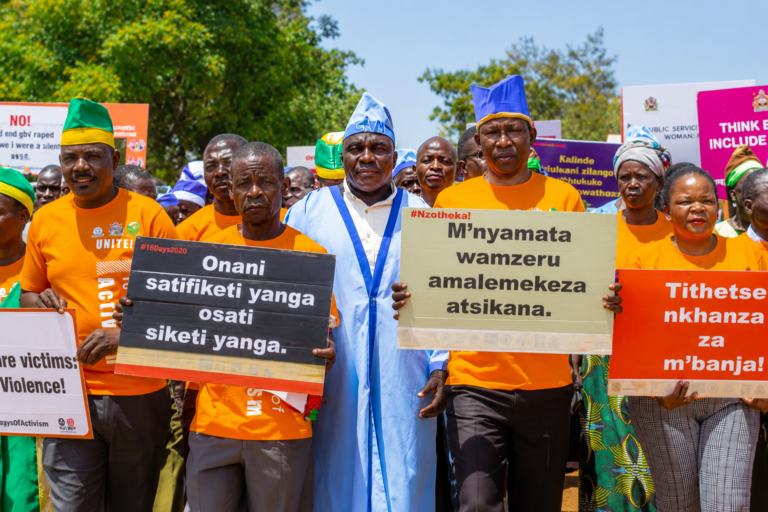
The CSOs, representing mining-affected communities, traditional leaders, faith institutions, academia, women and youth groups, artisanal miners, private-sector miners, and development partners, welcomed the development in a statement seen by Capital FM.
In a statement signed by Reverend Francis Mkandawire of the Evangelical Association of Malawi (EAM) on behalf of the participating organizations, the CSOs and community representatives described the development as a milestone for accountable and participatory governance in the extractive sector.
The CSOs, including faith institutions, women and youth groups, artisanal miners, and development partners, said the move brings decision-making closer to communities directly affected by mining activities.
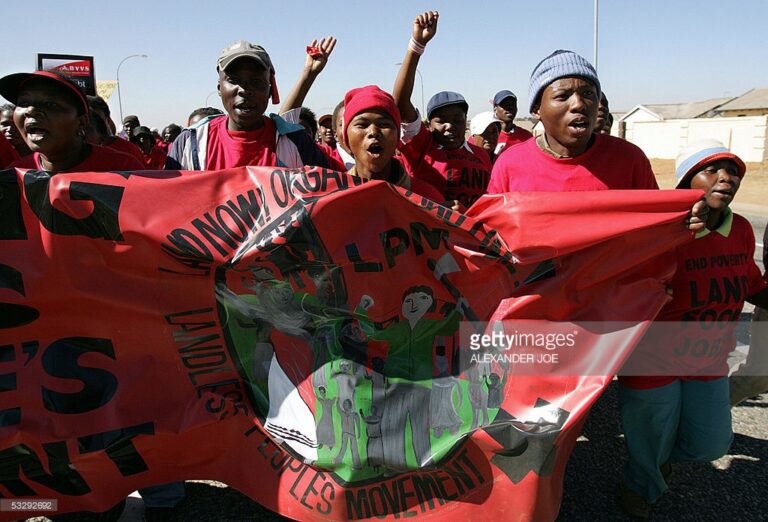
Organizations such as EAM, NCA-DCA, ActionAid, Oxfam, CEPA, CCJP, MCC, and the Natural Resources Justice Network noted that mining-affected communities have long demanded stronger local participation in decisions concerning land, livelihoods, the environment, and human rights.
They called the devolution a “critical opportunity to translate years of advocacy into practical reforms that improve transparency, accountability and community participation in mining governance.”
However, the organizations stressed that devolution must deliver tangible improvements, not just administrative changes.
They urged the government to ensure adequate financial and technical resources, clear institutional mandates, and robust accountability mechanisms.
Their nine-point call included demands for properly staffed District Mining Offices, stronger community involvement, transparency in licensing and benefits, protection of human rights and the environment, and a clear roadmap for implementation.
“The success of mining devolution should not be measured by administrative changes alone, but by tangible improvements in the lives of mining-affected communities,” the statement reads.
It emphasized that communities must gain greater access to information, stronger environmental protections, and a fair share of mining benefits.
The CSOs have since pledged to work with the government, local authorities, mining companies, and other stakeholders to ensure the reforms contribute to inclusive development and lasting benefits for present and future generations.