
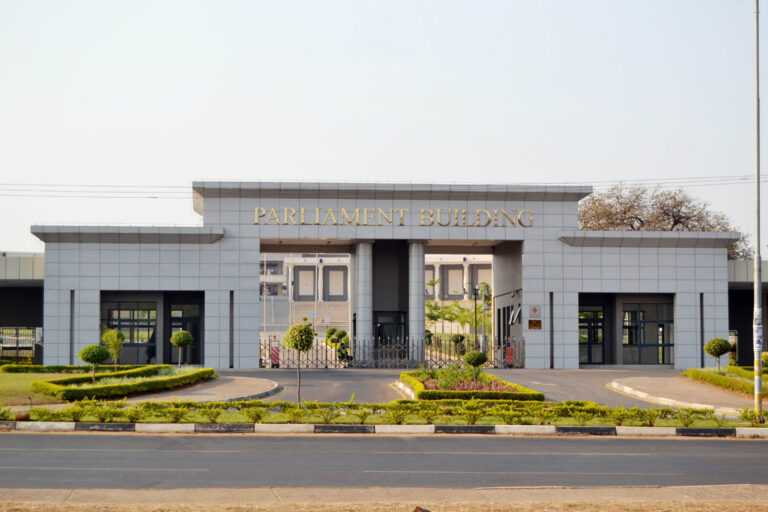



One of Parliament’s core mandates is to make laws that respond to the needs and objectives of the country. However, the effectiveness of these laws ultimately depends on how well they are implemented, monitored and enforced.
During Parliament’s five-week meeting, which commenced on 7 July and ended on 7 August 2026, lawmakers passed bills aimed at strengthening public financial management, reforming the financial sector and addressing some of the country’s economic and development challenges.
The bills included two money bills and 12 others proposing amendments to various laws.
Among the key legislation was the International Development Association (Governance to Enable Development Service Delivery) GESD Project 2.0 Authorization and Ratification Bill, 2026.
The bill authorises and ratifies a financing agreement between Malawi and the IDA for 58.2 million Special Drawing Rights.
The GESD project seeks to strengthen efficiency in financial resource management under multilevel governance to improve service delivery at the local government level.
Parliament also passed the International Development Association (Transforming High Potential Resilient Value Chains Project) Authorization and Ratification Bill. The project aims to increase the growth of targeted firms operating in Malawi’s export value chains by improving their access to financing and technical assistance.
Centre for Social Accountability and Transparency Executive Director Willy Kambwandira praised the implementation of GESD 1 but emphasised the need for continued social accountability to ensure the resources are properly managed under the second project.
“It is high time we capacitate the Civil Society Organisations, media and communities for effective provision of oversight roles in the management of these resources,” said Kambwandira.
On unclaimed funds, the Pension, Insurance and Microfinance Amendment Bills were passed to provide for the proper administration and management of such funds in line with the Public Finance Management Act of 2022.
The Act provides a legal and institutional framework to strengthen transparency, accountability and the responsible management and control of public resources, among other things.
The amendments provide for unclaimed funds held by the institutions to be channelled to Government Account Number One.

Public Pensioners Forum Board Chairperson Dyson Mutipe welcomed the pension amendment, saying it could promote accountability in the management of unclaimed funds. He, however, said proper records must be maintained to ensure that rightful owners of the money are traced.
“When we are registering with insurance companies, we provide all necessary information to them, so there is no need for them to say the owners are not traced,” added Mutipe.
Economist Greenson Nyirenda said proper processes and systems must be put in place to ensure that clients and beneficiaries are informed at every stage of the process of claiming their funds. He further underscored the need for greater public awareness on the matter.
“What is the process like to get to the extent to say we are unable to trace the owners of those funds? This should be information shared between the ones insured and companies providing the services,” added Nyirenda.
Budget and Finance and Legal Affairs Joint Committee of Parliament Chairperson Sosten Gwengwe highlighted the significant amounts of unclaimed funds held by various financial institutions, saying consolidating such funds under Account Number One would improve their management.
“There are banks, insurance companies and microfinance institutions that are holding billions of unclaimed money. If that money is put on the money market, it would accumulate a lot of profits for such institutions, which I would say is not legitimate for them,” Gwengwe explained.
Kambwandira, on the other hand, said there are still questions surrounding the management of unclaimed funds under the newly passed bills that need to be addressed.
“How will government account for these funds in the event where the people behind these funds have been identified? How will government account to ensure the money goes to the intended beneficiary?” he asked.
Additionally, changes were made in the payment sector, with Parliament passing the Bills of Exchange Amendment Bill, which seeks to phase out the use of cheques as a means of payment.
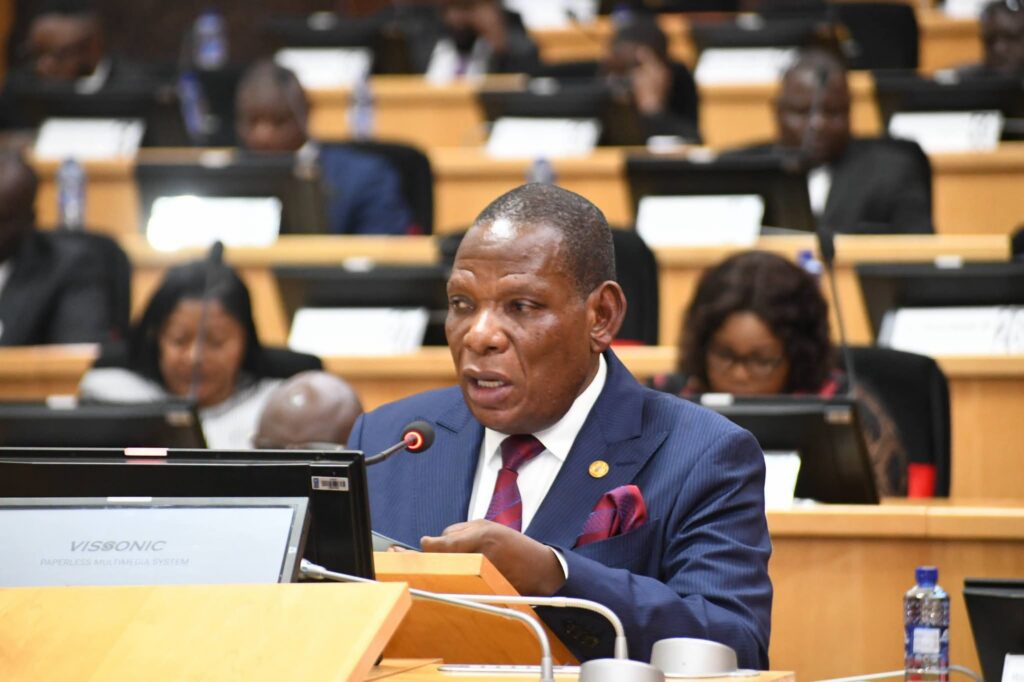
Finance Minister Joseph Mwanamvekha said the country is moving towards embracing digital payment systems, arguing that cheques are vulnerable to fraud, forgery and other corrupt practices.
“The amount of cheques being issued now has substantially come down. At the same time, we want to digitalise,” he said.
The Financial Cooperatives Amendment Bill, Payment Systems Amendment Bill, Deposit Insurance Corporation Bill, Financial Crimes Amendment Bill and Economics Society of Malawi Bill were among the other bills passed.
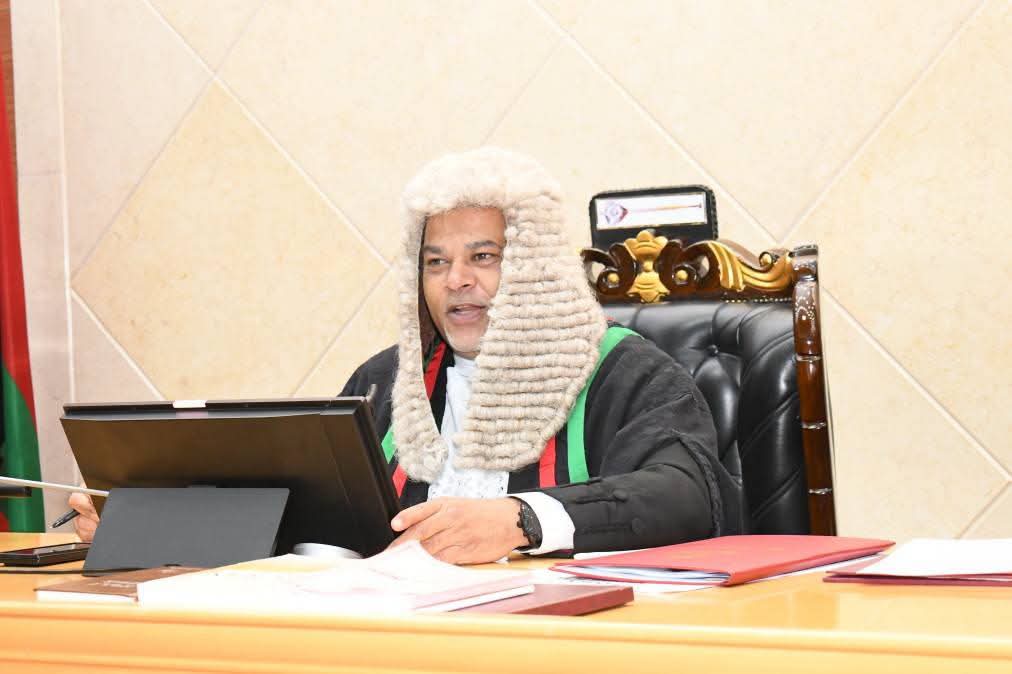
On other matters, Speaker of Parliament Sameer Suleman pledged Parliament’s resources to enable the Natural Resources Committee to conduct a comprehensive audit of mining operations across the country.
This followed the committee’s visit to the Kangankunde Rare Earth Project in Balaka, which brought to light some monitoring, compliance and enforcement gaps in the mining sector.
The committee’s Vice Chairperson Khadija Leah Chunga recommended the establishment of a mineral laboratory to reduce the need for external testing of minerals.
“We are not getting anything from it because they are still insisting that they only have samples which they are sending outside Malawi, but we don’t know the results,” she said.
In his parliamentary adjournment speech, Leader of Opposition Simplex Chithyola Banda highlighted foreign exchange shortages, economic hardships, agricultural challenges and persistent energy problems as some of the issues requiring urgent attention.
Leader of the House Jappie Mhango said not all challenges could be addressed at once, maintaining that government is working to resolve them. He described the meeting as successful, having passed the bills and discussed matters of national development.
As required by law, the bills are expected to be sent to the President for assent and subsequently gazetted to become laws of the country.
However, the real test will be in their implementation once they become law, particularly in achieving better management of public resources, improved service delivery and tangible benefits for Malawians.
The passage of the 14 bills therefore marks an important step towards strengthening public financial management, reforming the financial sector and addressing some of Malawi’s development challenges.
However, as stakeholders have pointed out, transparency, accountability, public awareness and effective systems will be critical to ensuring that the reforms translate into tangible benefits for Malawians.
With the bills now awaiting presidential assent and gazetting, the focus shifts from legislation to implementation, where the real test of Parliament’s decisions begins.