


The International Monetary Fund (IMF) says any new lending programme for Malawi will prioritise restoring macroeconomic stability, reviving economic growth and protecting vulnerable citizens through continued social spending as discussions on a new financing arrangement continue.
IMF spokesperson Julie Kozack said Malawi remains under significant economic pressure due to persistent macroeconomic challenges, including high inflation, making reforms critical to the country’s economic recovery.
Speaking to Reuters, Kozack said any new programme under the Extended Credit Facility (ECF) would be designed to help stabilise the economy while ensuring that spending on key social services is maintained.
“Any new lending programme would aim to restore macroeconomic stability and support growth while protecting priority social spending to support vulnerable citizens,” she said.
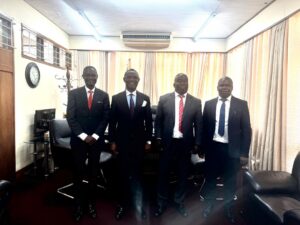
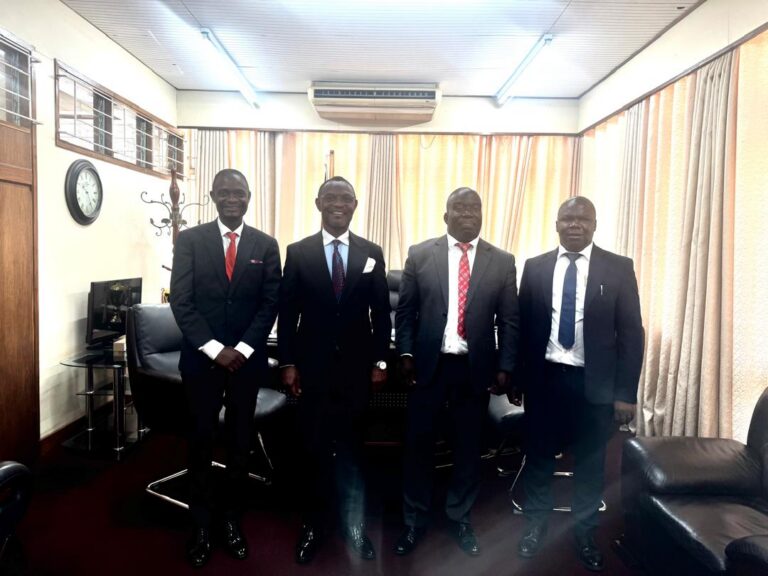
Kozack said negotiations on a new ECF programme are progressing, with IMF Africa Department Director Zeine Zeidane recently meeting Minister of Finance, Economic Planning and Decentralisation Joseph Mwanamvekha and Reserve Bank of Malawi Governor George Patridge on the sidelines of the African Caucus 2026 meeting in The Gambia.
She said Zeidane encouraged Malawi to continue working closely with the IMF to expedite the conclusion of the new programme, adding that technical and policy discussions are still underway to agree on reforms that could be supported under the facility.
Meanwhile, Mwanamvekha confirmed holding talks with the IMF delegation in The Gambia, describing the discussions as productive and expressing confidence that Malawi and the Fund will soon reach an agreement on the new Extended Credit Facility programme.
The latest engagement follows an IMF mission to Malawi last month that ended without finalising the deal.
Despite this, the Fund has maintained that it is ready to move swiftly once the required policy reforms are agreed.
Malawi’s previous US$175 million IMF Extended Credit Facility programme expired in May last year after the country failed to complete a programme review, resulting in the country receiving only the initial US$35 million disbursement.