




Civil Society Organizations (CSOs) advocating for environmental and wildlife protection have welcomed the High Court’s decision to dismiss the Anti-Corruption Bureau’s (ACB) application to discontinue corruption charges against convicted Chinese wildlife crime kingpin Lin Yun Hua.
Lin is facing corruption charges over allegations that he offered MWK30 million in cash and promised to complete the construction of a house for a senior prison officer in exchange for assistance in influencing the outcome of his wildlife trafficking trial.
The ACB had sought to withdraw the case after receiving instructions from the Director of Public Prosecutions (DPP), Fostino Maele, to discontinue it and instead have the alleged misconduct by prison officials handled administratively.
However, High Court Judge Redson Kapindu rejected the application for several reasons, including the ground that the state appeared to be asking the court to exercise the DPP’s powers to discontinue the case by the back door.
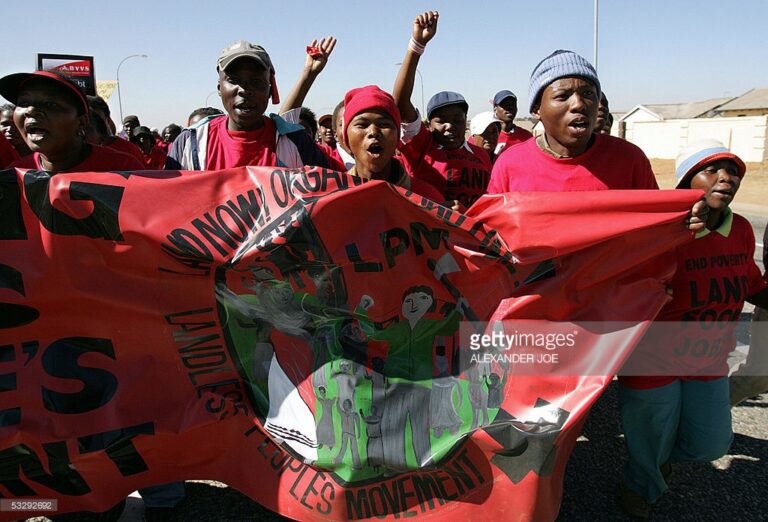
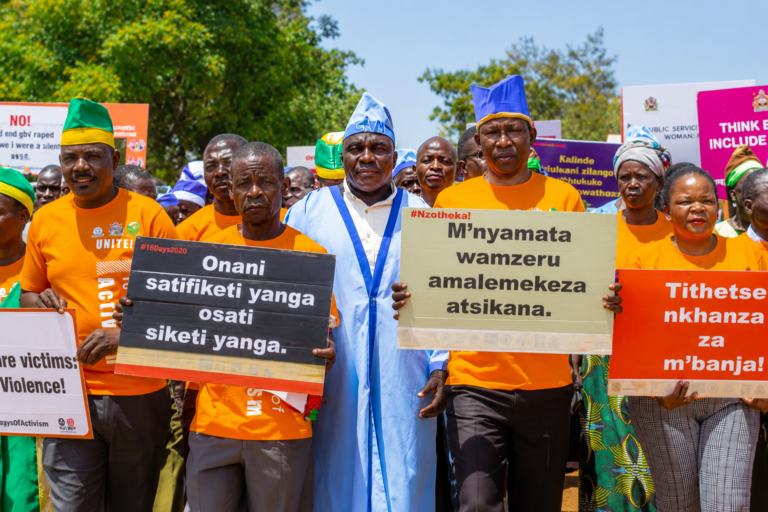
Reacting to the ruling, Civil Society Network of Climate Change (CISONECC) National Coordinator Julius Ngoma said the decision is a victory for the rule of law, especially at a time Malawi needs stronger efforts to protect the environment amid growing cases of malpractices threatening natural resources.
“We should commend the court for dismissing the application. This is a critical time to protect the environment because there are many malpractices taking place. At the same time, we must ensure that everyone, including institutions, abides by the law,” Ngoma said.
He added: “This is a victory for the CSOs, for everyone who opposed the withdrawal of the case, and for Malawians. We want a country that enforces its laws and holds every offender accountable.”
However, despite the dismissal of the application, the DPP still has the constitutional powers to discontinue the case without seeking the court’s permission, a situation Ngoma described as deeply concerning.
“It is unfortunate that some institutions have such sweeping powers that can allow individuals or institutions to escape justice. It is even more worrying when those powers are used in ways that appear to undermine the public interest,” Ngoma said.
“When you look closely at cases like this, the consequences extend beyond one or two people. When the environment is degraded or polluted, it is entire communities that suffer. We therefore urge the DPP to consider the broader public interest rather than individual interests,” he said.
With the High Court ruling in place, Ngoma said his organization, together with other civil society groups that have been monitoring the matter, will continue following the case closely until justice is served.
“This ruling gives us renewed motivation to continue monitoring the case with keen interest. Wherever there is a role for civil society, we will continue to play our part. We will not back down until this case is fully heard. If necessary, we will also consider other lawful measures to ensure that justice is ultimately served,” he said.
Lin’s corruption case stems from allegations that he attempted to bribe prison officials while serving a prison sentence for wildlife-related offences and money laundering at Maula prison.
He was convicted in 2021 and sentenced to 14 years but was controversially pardoned in July 2025 after serving only about four years of his sentence before being re-arrested on the corruption charges.
Criminal procedures in the matter already commenced, with the State parading two witnesses during a hearing held on May 3 this year before the case was adjourned to a date yet to be announced.
However, while waiting for a new date, the ACB moved to withdraw the charges, a development that attracted criticism from civil society organizations concerned about the implications for accountability and the fight against wildlife crime in Malawi.