
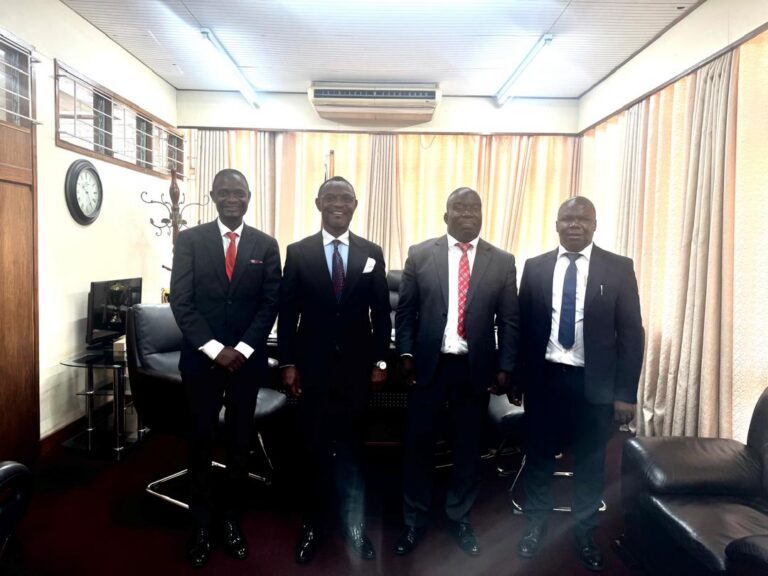




A group of concerned students from Malawi’s public universities has appealed to various stakeholders to support efforts aimed at stopping the Government’s 100 percent increase in public university tuition fees.
In a petition seeking support from the Mega Farmers Union, the group calling itself Concerned Students for Fair Higher Education (COSFE) argues that maintaining the revised fees will deny thousands of students from poor families from accessing higher education.
The petition is endorsed by representatives from Mzuzu University, the University of Malawi, Kamuzu University of Health Sciences, Lilongwe University of Agriculture and Natural Resources, and the University of Business and Applied Sciences.
According to the students, they have been engaging different stakeholders to build support against the fee hike after their earlier petition to parliament failed to yield a response.
“To date, we have received no feedback or tangible action and despite our concerns, government is proceeding with the implementation of the new fee structure,” reads the statement signed by COSFE Chairperson Leonard Kuyenda, George Kamadya, former Mzuzu University Students Council president, and Prince Mataka an activist with the Revolution for Economic Justice (REJU).
In their appeal to the Mega Farmers Union, the students are requesting the union to amplify their concerns through press briefings, legal action to suspend implementation of the fee hike pending consultations.
They also want the union to help provide any financial, material or advocacy support to protect access to higher education.
The students say they are acting on behalf of thousands of students across the country’s public universities and will continue engaging stakeholders in search of support.
Speaking to Capital FM, George Kamadya, former Mzuzu University Students Council president, and one of the public universities concerned students for fair higher education says maintaining the fees hike is a disaster for many students, who were already struggling to raise MWK650, 000.
“As students from poor and vulnerable families, this hike directly threatens our right to access higher education. Many of us will be forced to drop out because our parents and guardians cannot afford the new fees,” Kamadya says.
The appeal comes after Minister of Education Bright Msaka defended the fee adjustment in parliament, describing calls for government to reverse the increase as unnecessary because measures have been put in place to cushion students from disadvantaged backgrounds.
Msaka told parliament earlier this month that government has recapitalized the Higher Education Students’ Loans and Grants Board (HESLGB) to enable students to access loans and grants following the fee hike.
He maintained that no student would be forced to abandon their studies because of the revised fees, arguing that the strengthened loan scheme would support those unable to afford the new charges.
Since public universities announced tuition fee hike, there has been mixed views with many arguing that government should have considered the economic hardships facing many households before approving the increase.
They also argue that the higher fees could further limit access to university education for students from low-income families.
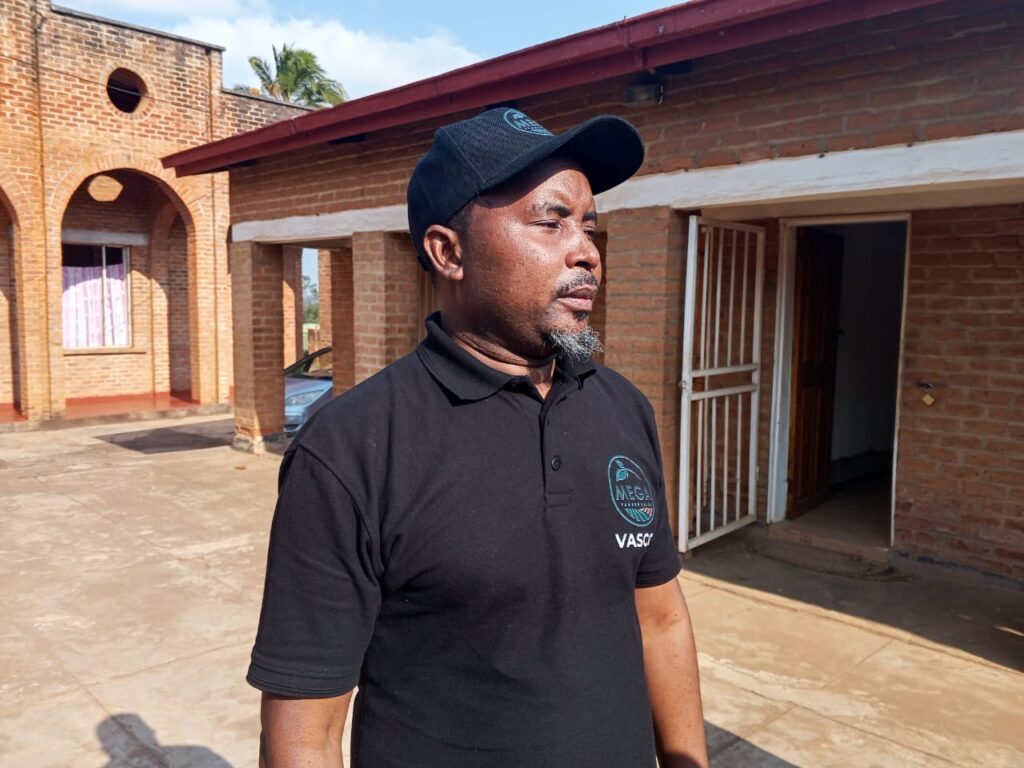
Mega Farmers Union President Vasco Madhlopa says they have received the letter and will engage the Government to reverse the decision.
“As a union we will do advocacy, we will try to negotiate with government through the ministry of education. We will see what will come out of our negotiations then we will try to create an awareness for students on why it is important for them seek social justice,” Madhlopa says.
Asked why a Union dealing with farmers concerns is interested to intervene in the matter, Madhlopa says most of the students attending public universities are sons and daughters of the farmers or ordinary Malawians.
“These are future leaders and as a Union we feel, we have to help in protecting their right to education. Because if we are talking of Malawi 2063, we are talking of this generation, we cannot talk about the 2063 development agenda without these students,” he says.