


Malawian leaders have been challenged to move away from traditional top-down leadership approaches and embrace more inclusive, adaptive and technology-driven models if organisations are to remain competitive and deliver meaningful results.
The call has emerged from the inaugural Nexus Leadership Summit, organised by EmpowerX Consult Limited in collaboration with South Africa-based Redpoint Group.
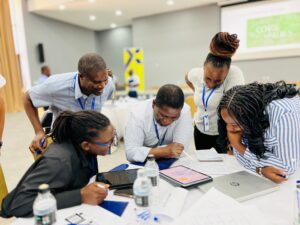
The three-day summit, held from August 31 to September 2 at the Livingstonia International Conference Centre at Sunbird Waterfront in Salima, brought together about 40 leaders, executives, managers and decision-makers from different sectors under the theme “Connecting Vision, Strategy and Impact.”
The summit focused on some of the challenges confronting organisations, including ineffective strategy implementation, organisational culture, employee engagement, governance, technological disruption and the growing influence of artificial intelligence.
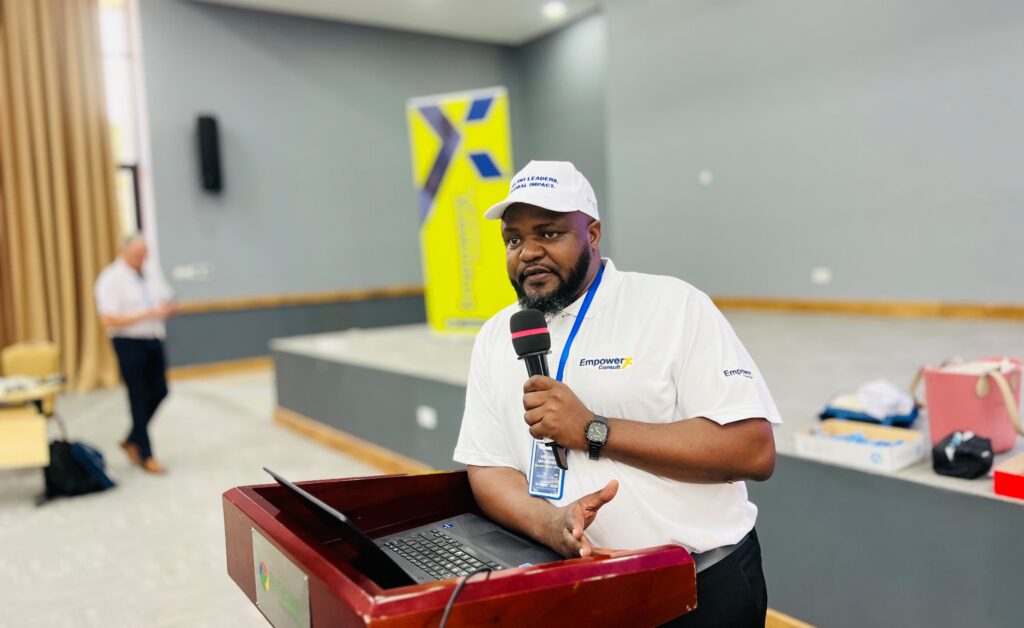
EmpowerX Consult Chief Executive Officer Nelson Mkwende says the summit was conceived after the two organisations identified a gap in leadership development.
“We decided to have this summit because we saw this gap,” says Mkwende.
He says the initiative follows a relationship between EmpowerX Consult and Redpoint Group, which has now expanded into joint leadership programmes.
Mkwende says the organisations intend to take the leadership programmes beyond the annual summit and into participants’ institutions.
“The plan is that we should have it now in our participants’ institutions. But for this summit, we will be having this summit every year,” he says.
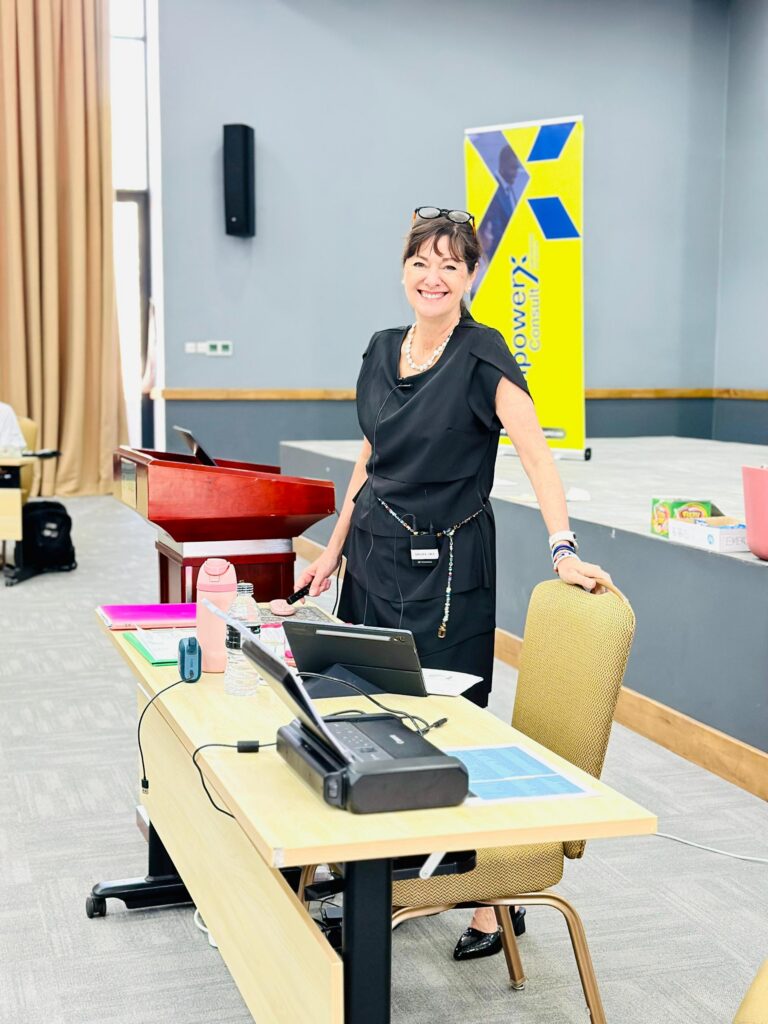
Mignon Britton, Managing Director of Redpoint Group, says the inaugural summit provided an opportunity for leaders to confront some of the persistent challenges affecting organisational performance.
“We have fabulous three days with forty of our Malawian leaders in the room interacting and sharing experience,” says Britton.
She says participants examined why organisational strategies often fail to produce the desired results, while also looking at team culture and other issues critical to institutional performance.
Britton says the partnership is already looking at holding further programmes next year.
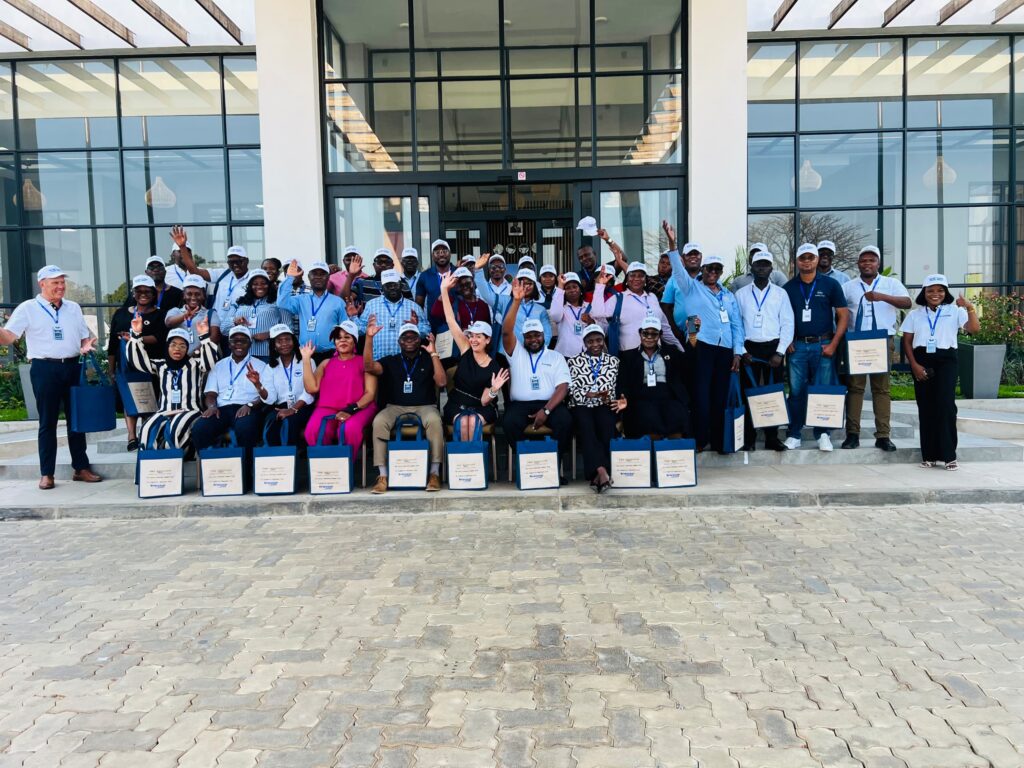
For some participants, the summit challenged long-held assumptions about what leadership means.
Triza Tsiga Magreta, Chief Executive Officer of Mudi Savings and Credit Cooperative, says she initially expected the event to be an ordinary leadership summit but changed her view after participating in the sessions.
“Initially I thought it is an ordinary summit until I came here. I felt the difference,” she says.
Magreta says one of the key lessons for her was the need to move away from leadership that relies entirely on seniority and authority.
“I have learnt that leadership is not only top down. It is also bottom up. Let the juniors be part of the decision-making process,” she says.
Her comments point to one of the central issues raised at the summit: whether organisations can achieve lasting transformation when decision-making remains concentrated at the top while employees at lower levels have limited opportunities to contribute.
FINCA Malawi Chief Executive Officer Charles Bello says leadership development should ultimately translate into better workplaces and stronger organisational performance.
“I am excited to be here. It is a leadership training that will help us look at things differently,” says Bello.
He says organisations must pay attention to the people they manage while also maintaining their focus on profitability.
“We will ensure that those we are managing are happy. It is profitability and people out there will love to stay with FINCA,” he says.
For Malawi Stock Exchange Chief Operating Officer Kelline Gondwe, the summit reinforced the link between leadership and the direction organisations ultimately take.
“I have had an incredible experience. Leadership has consequences on how far our organisations can go,” says Gondwe.
She says leaders need to understand their influence on organisational culture and develop the skills necessary to drive positive change.
“It was quite interesting to learn about how we can influence our organisation cultures. How we can inspire change,” she says.
Gondwe argues that while organisations often talk about corporate culture, meaningful change requires leaders who are equipped to influence that culture in a positive direction.
“We need to have those leadership skills,” she says.
The summit also examined the growing impact of artificial intelligence and technology on organisations, with discussions challenging leaders to consider how emerging technologies can be used responsibly to improve productivity, decision-making and competitiveness.
The discussions further covered strategic leadership, governance, finance, communication, innovation, organisational transformation, resilience and the development of high-performance teams.
A key message emerging from the summit was that having a strategy is not enough.
Organisations may have ambitious plans, policies and structures, but their success depends on whether leaders can translate those plans into action, influence organisational behaviour and create cultures that support accountability and innovation.
The summit therefore placed leadership at the intersection of vision, strategy and impact, arguing that leaders must not only define where their organisations want to go but also create the conditions that enable employees to move in that direction.
For Malawi, the organisers say the issue extends beyond individual companies.
They argue that effective leadership is essential to strengthening businesses, public institutions and development organisations at a time when institutions are under pressure to improve productivity, embrace technology, manage limited resources and respond to rapidly changing expectations.
Mkwende says the annual summit is intended to become part of a broader leadership development platform rather than remain a once-off gathering.
The organisers say future editions will continue bringing together leaders from different sectors and could be held both in Malawi and outside the country.