


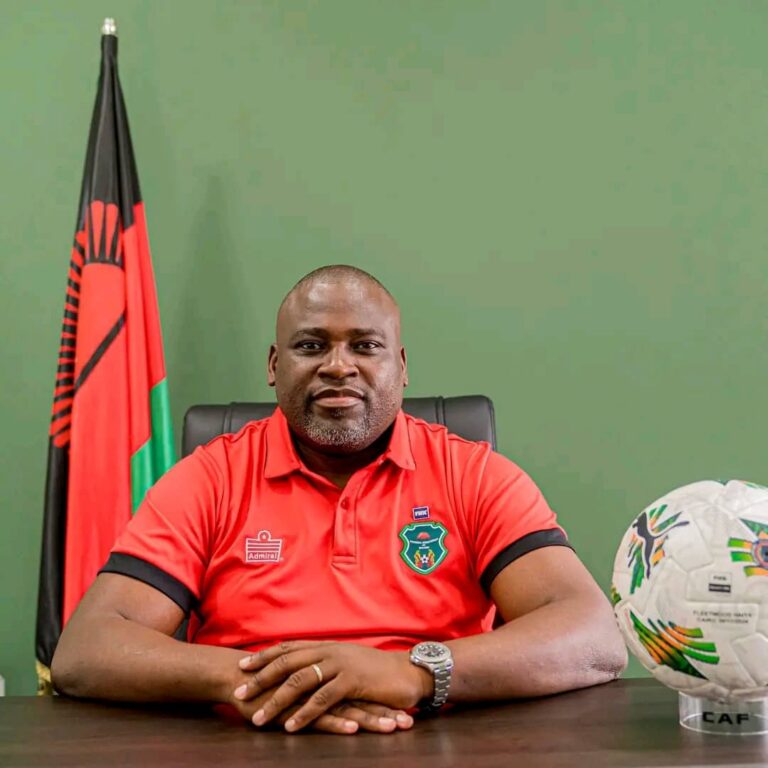

UTM President Dalitso Kabambe has challenged claims that Malawi’s economy is on the path to recovery, arguing that the reality facing ordinary Malawians remains one of high living costs, an unstable currency and persistent inflationary pressures.
He questions the basis for claims that the country’s economic situation is improving.According to Kabambe, economic recovery should not only be measured through government statistics or selected economic indicators, but also by examining the conditions under which ordinary Malawians are living.
He said the continued high cost of living provides evidence that many Malawians are yet to experience any meaningful improvement in their economic circumstances.
Kabambe particularly pointed to inflation on non-food items, saying the prices of essential goods and services outside the food basket remain high and continue to put pressure on household incomes.
He argued that while there may be claims that some economic indicators are improving, such developments do not necessarily translate into relief for families struggling to meet their daily needs.
“People continue to complain about the high cost of living,” Kabambe said, questioning how the economy can be described as being on track when many households are still struggling with rising prices.
Kwacha instability remains a concernKabambe also raised concerns over the continued instability of the Malawi Kwacha, arguing that the exchange-rate situation remains a major challenge for the economy.
He said the significant gap between the official foreign exchange rate and rates prevailing on the parallel or black market indicates that the currency market has not yet achieved the stability required to support sustainable economic recovery.
According to Kabambe, the continued disparity creates uncertainty for businesses and consumers while also contributing to distortions in the pricing of goods and services.
He said an economy cannot be considered fully stabilised when people and businesses continue to look beyond the official market for foreign currency.
Kabambe argued that addressing the foreign exchange crisis must therefore be central to any strategy aimed at restoring confidence in the economy.
Cost of living remains the real testFor Kabambe, the most important measure of economic performance is whether ordinary citizens are beginning to feel relief in their daily lives.
He said Malawians are still facing significant pressure from the cost of goods and services, making it difficult for households to stretch their incomes.
The UTM president therefore disputed narratives suggesting that improvements in selected economic indicators automatically mean the economy is recovering.
“Amene akunena kuti chuma chikuyenda bwino ndi wamisala” he charged.He said the government should instead focus on measures that can bring down the cost of living, stabilise the Kwacha and restore confidence in the foreign exchange market.
Kabambe’s comments come as Malawi continues to grapple with inflation, foreign exchange shortages and pressure on household incomes.
‘The economy is not on track’Kabambe’s assessment is that claims of economic recovery should be treated with caution until ordinary Malawians begin to experience tangible improvements.
He said the continued high prices, instability of the Kwacha and the gap between official and parallel foreign exchange rates point to deeper structural challenges that require decisive intervention.
The former central bank governor argued that economic management must ultimately be judged by its impact on people’s lives rather than by statistics alone.He said government needs to create conditions that can restore stability in the currency, improve access to foreign exchange and reduce the pressures facing households and businesses.
Kabambe maintained that until such challenges are adequately addressed, claims that Malawi’s economy is firmly on track do not reflect the economic realities being experienced by many Malawians.
The UTM leader said the focus should therefore be on restoring macroeconomic stability while ensuring that the benefits of any economic recovery are felt beyond government institutions and economic reports and reach ordinary households.