





The Rainwater Harvesting Association of Malawi (RHAM) is urging Malawians to embrace rainwater harvesting technologies to cope with the impending El Niño weather phenomenon expected during the 2026/27 agricultural season.
This call comes after the Department of Meteorological Services warned that the country is likely to experience El Niño conditions, characterized by tricky rainfall patterns, including heavy downpours and prolonged dry spells.
The predicted weather pattern is expected to negatively affect crop production, with experts warning that inconsistent rainfall could reduce yields, trigger crop failure in some areas and threaten food security if farmers fail to adopt climate-smart farming practices.
Speaking to Capital FM, RHAM Chairperson McPherson Nthara said the forecast provides an opportunity for farmers to prepare early by adopting rainwater harvesting technologies that can reduce the impact of droughts and dry spells.
“So with this prediction, there is need to prepare, and as we are looking forward to the coming growing season, we need to embrace rainwater harvesting technologies as one way of addressing El Niño impacts,” Nthara said.
“These are technologies that will help the crops to withstand the dry spells and the droughts when they occur. They include field technologies that help increase groundwater recharge as well as storage facilities,” he added.
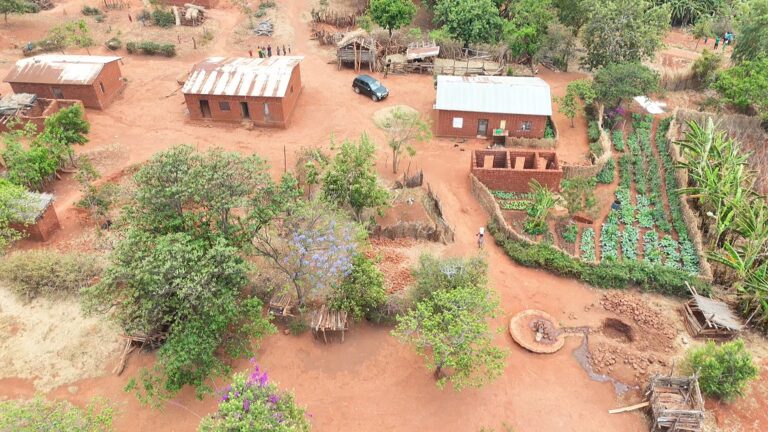
Nthara explained that field-based technologies such as swales, planting pits, box ridges, and the use of organic manure to improve soil water infiltration capacity help crops withstand dry spells by increasing groundwater recharge through soil and water conservation.
Additionally, Nthara urged farmers to avoid burning crop residues after harvest, saying leaving the residues on the soil surface help improve water absorption while reducing moisture loss through evaporation.
Nthara further stressed the importance of making good use of the limited rainfall expected in some parts of the country during the season by constructing water storage facilities such as earth dams, farm ponds, and water harvesting tanks to provide water for supplementary irrigation.
He said preparing fields to conserve every drop of rainwater and investing in storage infrastructure before the onset of the rainy season would ensure farmers have sufficient water to sustain crops during periods of little or no rainfall.
“When farmers practice these technologies, whenever, there is a drought or dry spell, the crops will be able to withstand those dry spells,” he said.
Nthara encouraged Malawians as they are preparing for the coming agriculture season to prepare their fields in such a way that every drop of water should count and to construct storage structures.
“But also one of the things that we will be doing as RHAM is to engage with community radio stations across the country to bring key messages on rainwater harvesting, soil and water conservation during land preparation so that people can prepare their fields properly and embrace these technologies,” he said.
Responding to perceptions that rainwater harvesting is only useful during seasons of normal to above normal rainfall, Nthara said the technologies become even more critical during erratic seasons because they retain soil moisture and provide stored water when crops need it most during periods of dry spells.
“If you have a farm pond or an earth dam or a water harvesting tank, whenever there is erratic rainfall, you can use that water to irrigate your crops during that time, and that can make a significant impact in terms of crop survival, but if you don’t have such structure, the crops will fail completely,” Nthara said.
He however, expressed concern that some farmers fail to utilize nearby rivers for supplementary irrigation during dry spells despite the availability of water, saying there is a need for greater awareness and capacity building on climate-resilient farming practices.