





Malawi has been backed to reach its target of having the mining sector contribute 10 percent to the national Gross Domestic Product (GDP), but only if there is stronger collaboration and partnership between government, financial institutions and the private sector.
The remarks were made on Thursday morning when the National Bank of Malawi (NBM) hosted in Lilongwe, where stakeholders across the mining value chain called for closer collaboration, noting that Malawi holds significant untapped potential in the sector.
National Bank of Malawi’s Head of Retail Banking Division, William Chatsala, said collaboration is central to unlocking opportunities and driving growth in the mining sector, adding that the bank is committed to financing miners with substantial borrowing requirements.
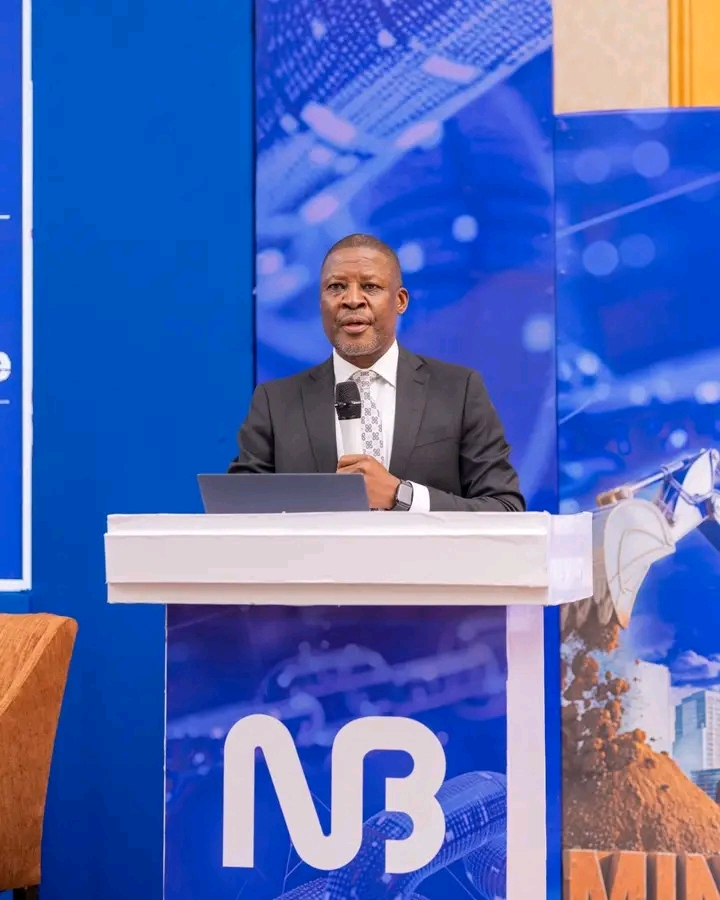
“Mining presents a huge potential for the development of this country, but there is a gap in understanding between miners and banks. As NBM, we look at lending to the mining sector, especially for exploration purposes,” Chatsala said.
He added that Malawi’s mineral wealth could meaningfully contribute to national development, provided the right investment follows, and expressed hope that the forum would help build a shared understanding of what the sector needs in order to grow.
“We have a huge balance sheet, we have a large pocket, and through collaboration, we are able to finance substantial amounts, either directly from our balance sheet or through our partners. Our interest is to see a mining sector that generates the necessary cash flow,” he said.
Malawi’s mining industry currently contributes just 1 percent to the country’s GDP, against a target of reaching 10 percent by 2030.
Chamber of Mines and Energy Director, Grain Malunga, appealed for stronger collaboration between mining experts and policymakers to move the sector forward.
“We are struggling to overcome the misconceptions surrounding the mining sector, especially in how the public views mining companies. We should look at investors as partners, not as thieves. Mining takes time, and the process needs to be properly managed,” Malunga said.
He also pointed to policy inconsistency as a major obstacle. “In the past four or five years, whenever companies are about to open mines, policy direction shifts. So companies end up waiting for policy clarity instead of simply applying for a licence. We are losing potential revenue, and we are falling off target in fulfilling the Malawi 2063 vision. We have an ineffective governance system, and we need to build genuine partnership between the private sector and government. This is obstructing progress in the mining sector,” he said.
Deputy Director for Small and Medium Enterprises (SME) / Micro, Small and Medium Enterprises (MSME) Development inside the Ministry of Trade and Industry, Chezani Otaniele commended National Bank of Malawi for organising the forum, saying it demonstrates that the financial sector is prepared to support government’s efforts to prioritise mining as a driver of economic growth.
“It has shown that the financing sector is ready to support government’s efforts in prioritising mining as one of the drivers of economic growth for the country. We commend NBM for this effort,” Otaniele said.
He added that the 10 percent GDP target is achievable if collaboration is encouraged, noting that the National Planning Commission has echoed the same position — that government and the private sector must work together to hit the target.
On the restrictions imposed on mining companies, Taniel said government’s interest is to protect Malawi’s resources and prevent the smuggling of minerals out of the country.
The Miners’ Breakfast, held under the theme “Mining Through Collaborative Efforts: Partnership in Practice,” drew a wide range of mining stakeholders, including small-scale, medium-scale and large-scale miners, as well as representatives from the ministries responsible for mining and trade.