




Malawi must recruit an additional 8,000 midwives within the next four years or risk further setbacks in maternal and newborn health outcomes, the Association of Malawi Midwives (AMAMI) has warned.
The warning comes as AMAMI welcomes a government decision to lift restrictions on public service recruitment and promotion, a move officials say could finally open the door to closing the country’s widening midwifery gap.
According to AMAMI, Malawi currently has only 3,420 active bedside midwives — a density of just 5.5 midwives per 10,000 people. That figure represents a sharp decline from 7.2 per 10,000 recorded in 2022, according to the State of the World’s Midwifery Report.
To meet the needs of women of reproductive age across the country, AMAMI says Malawi must add 8,000 midwives to its workforce by 2030.
Without that expansion, the association warns, the country will struggle to avert further erosion in maternal and newborn care. What makes the shortage more striking, AMAMI notes, is that it persists even as trained midwives remain unemployed — a paradox the association says is undermining efforts to safeguard mothers and newborns nationwide.
The recruitment push follows a circular dated July 2, 2025, in which Chief Secretary to the President and Cabinet Justin Saidi authorized ministries and departments to declare and fill vacancies within the current financial year.
AMAMI Chief Executive Officer Mathias Chatuluka called the waiver a critical opportunity.
“This waiver opens the door for urgent recruitment of midwives who are essential to safe motherhood and provision of quality maternal and newborn healthcare,” he said, adding that universal health coverage cannot be achieved without investment in the midwifery workforce.
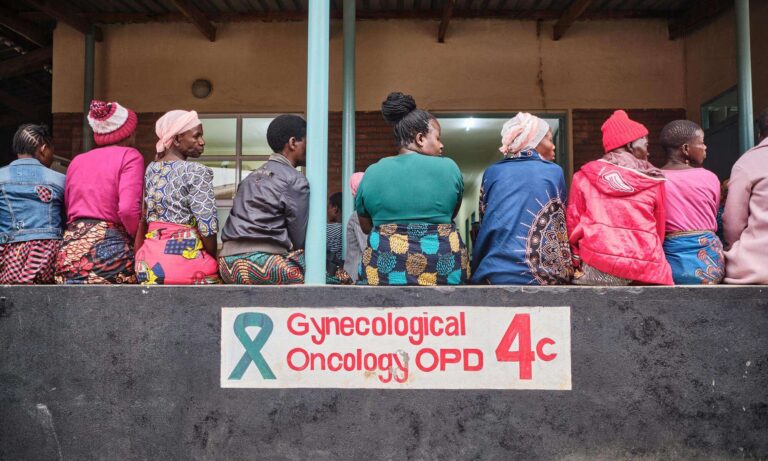
AMAMI cautions that without swift action to fill the gap, health facilities — particularly in rural areas — will continue to struggle, with women in some communities giving birth without a skilled attendant present.
The shortage has also drawn attention in Parliament, where Tiyaone Hendry, MP for Phalombe, has raised the issue, amplifying calls from health advocates for lawmakers to prioritize the crisis.
AMAMI urged members of Parliament and other stakeholders to support measures that translate the government’s recruitment waiver into real, on-the-ground gains — starting with the 8,000 additional midwives it says are needed to meet demand by the end of the decade.